




People


University of Southampton
|
Country
United Kingdom of Great Britain and Northern Ireland (the)
| |
 Members
 |
44 |
 Projects
 |
37 |
 Articles
 |
8 |
 Contributor since:
 |
Wed, 06/30/2021 - 14:50 |

| AAA Member |
Actions
Projects
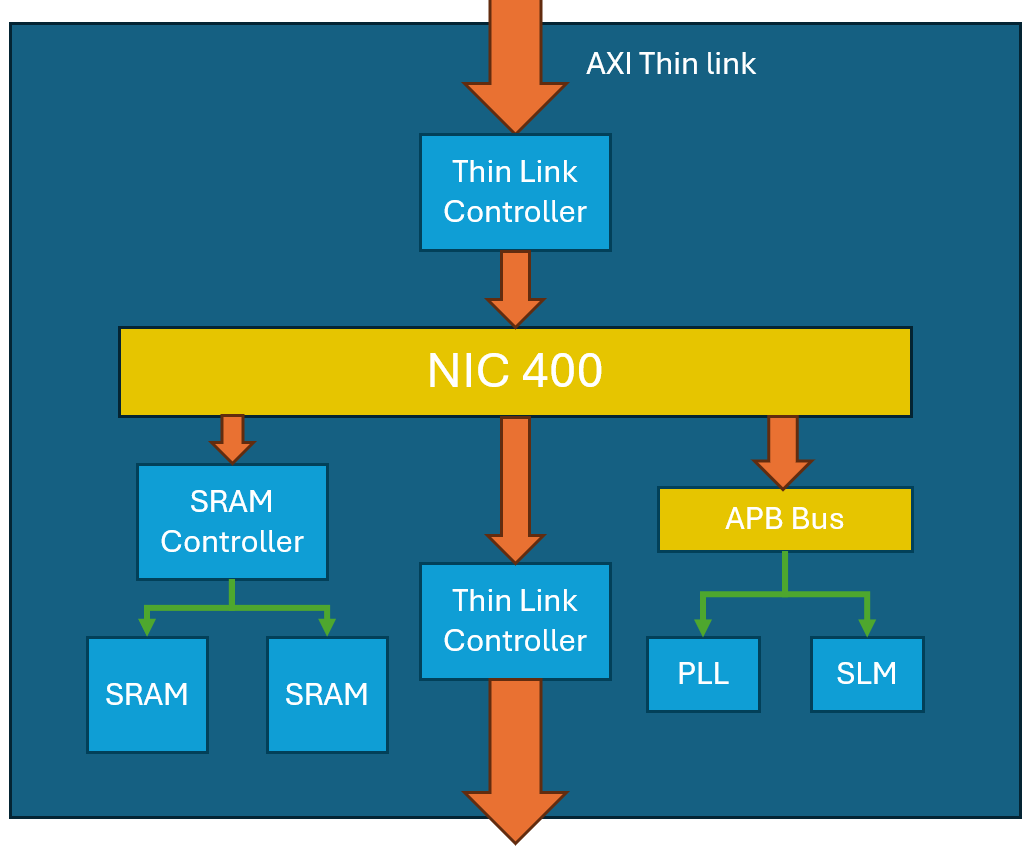
On-chip SRAM in ASICs can use a significant area, which equates to a significant cost. One solution is to make the memory off-chip. This project explores the use of Arm IP to create an SRAM chiplet design. The benefit is that standard memory chiplets can be fabricated at lower cost and used across multiple projects, miminising silicon area to the unique project needs.

 Daniel Newbrook


The aim of this project is to define a mixed signal subsystem for the nanosoc reference design.
The mixed signal subsystem should be able to sample analog signals at a regular sampling rate, and transmit a digital representation of this signal to the rest of the nanosoc system. In order to interface with real-world signals in a digital System on Chip ("SoC"), an analog to digital conversion ("ADC") is needed.


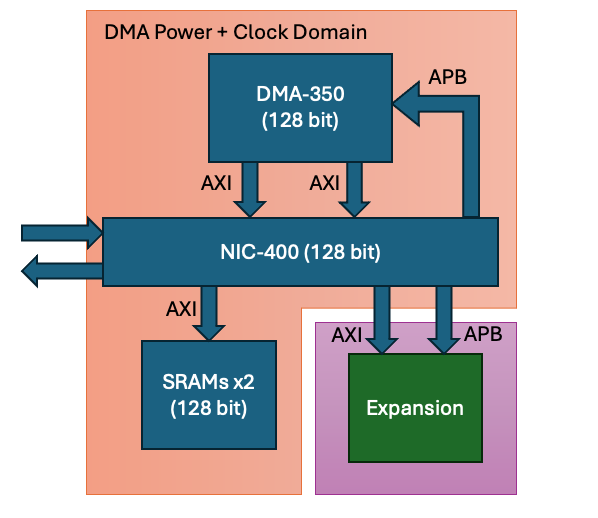

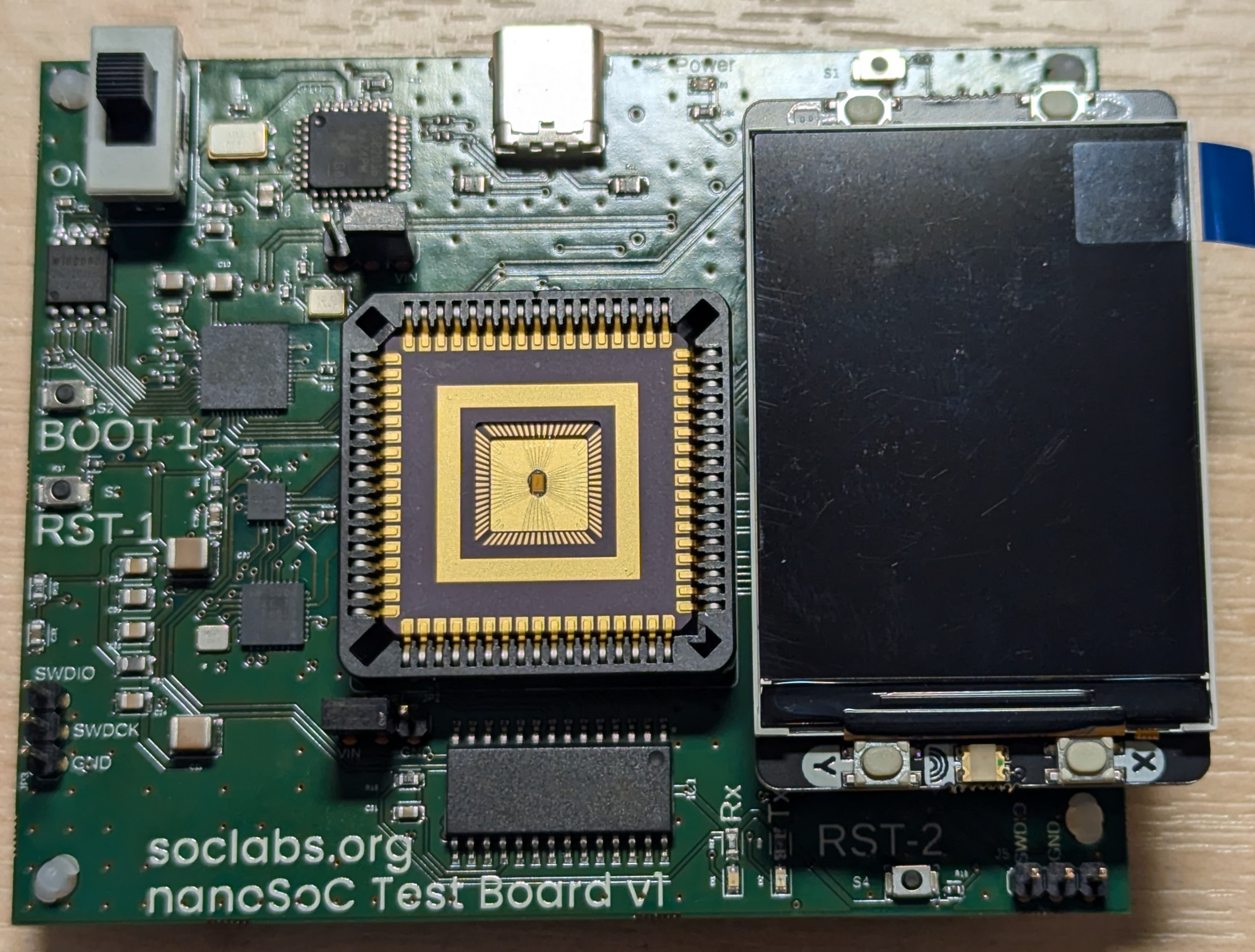
A physical test environment is required for ASIC devices fabricated following tape out. The nanoSoC test board provides a complete test environment for ASIC designs based on the nanoSoC reference design and enables the showcase of any custom designs that utilise it. Reviewing the function of nanoSoC identifies a number of design criteria for the test board: